
What Makes a Good Commercial Real Estate Investment in 2026?
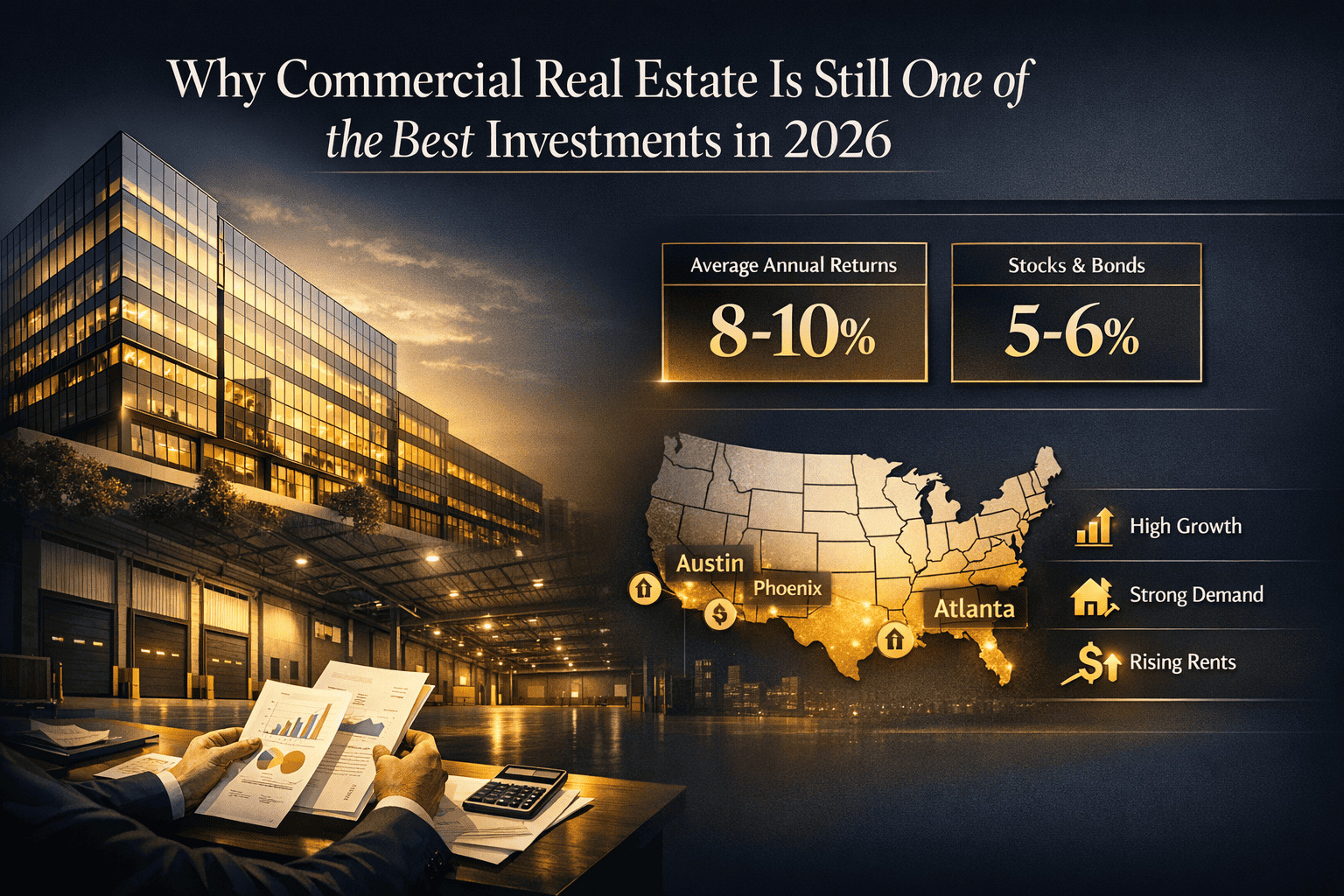
The commercial real estate landscape is evolving rapidly. With shifting interest rates, new workplace dynamics, and emerging asset classes reshaping the market, investors need a sharper lens than ever to identify high-quality opportunities. Whether you're a seasoned portfolio manager or a first-time commercial buyer, understanding what separates a strong deal from a costly mistake in 2026 is essential to building lasting wealth.
At Cordura, we work with investors across the US market every day — and the questions we hear most often come down to one core concern: How do I know if this is a good investment? This guide breaks down the key criteria that define a sound commercial real estate investment in today's environment.
1. Location Intelligence: Beyond the Basics
Location has always been the cornerstone of real estate value, but in 2026, location analysis goes far deeper than ZIP code prestige. Savvy investors are now evaluating:
- Population and employment growth trends — Markets with net in-migration and diversified job sectors offer more resilient demand.
- Infrastructure investment — Proximity to transit expansions, highway improvements, or logistics corridors directly impacts property utility and long-term value.
- Zoning flexibility — Properties in areas with adaptive zoning policies provide optionality if a primary use case underperforms.
- Last-mile and supply chain positioning — For industrial and retail assets, proximity to population centers and distribution hubs is a decisive factor.
Smart investors are looking beyond gateway cities and identifying secondary and tertiary markets — metros like Nashville, Raleigh, Columbus, and Salt Lake City — where cap rates are more attractive and demand fundamentals remain strong.
2. Asset Class Alignment With 2026 Market Trends
Not all commercial property types are created equal in the current cycle. Choosing the right asset class is just as important as choosing the right property. Here's how major categories are performing heading into 2026:
Industrial and Logistics
Industrial real estate continues to be one of the most in-demand asset classes, driven by e-commerce growth, reshoring of manufacturing, and supply chain diversification. Vacancy rates remain historically low in many US markets, and rent growth has been consistent. Distribution centers, cold storage facilities, and flex industrial properties are particularly strong performers.
Multifamily Commercial
While single-family housing has faced affordability pressures, multifamily demand remains robust. Large apartment communities, mixed-use developments, and workforce housing projects are drawing institutional and private capital alike. Markets with rental housing shortages offer especially attractive entry points for long-term investors.
Retail — The Selective Comeback
Retail is not dead — but it is highly selective. Neighborhood service centers anchored by grocery, healthcare, or essential services are outperforming. Experiential retail and mixed-use concepts in high-foot-traffic areas are also showing resilience. Avoid commodity retail with weak anchor tenants or suburban malls lacking redevelopment potential.
Office — Proceed With Precision
Office remains the most complex sector. While Class A, amenity-rich office in strong employment hubs continues to attract tenants, Class B and C suburban office faces structural headwinds from remote and hybrid work. If office is part of your strategy, focus on premium office space listings in markets with strong employer presence and talent retention needs.
3. Cash Flow and Cap Rate Analysis
A good commercial real estate investment generates reliable, growing income. In 2026, with borrowing costs still elevated compared to the ultra-low rate era, cash-on-cash returns and cap rate spreads deserve close scrutiny.
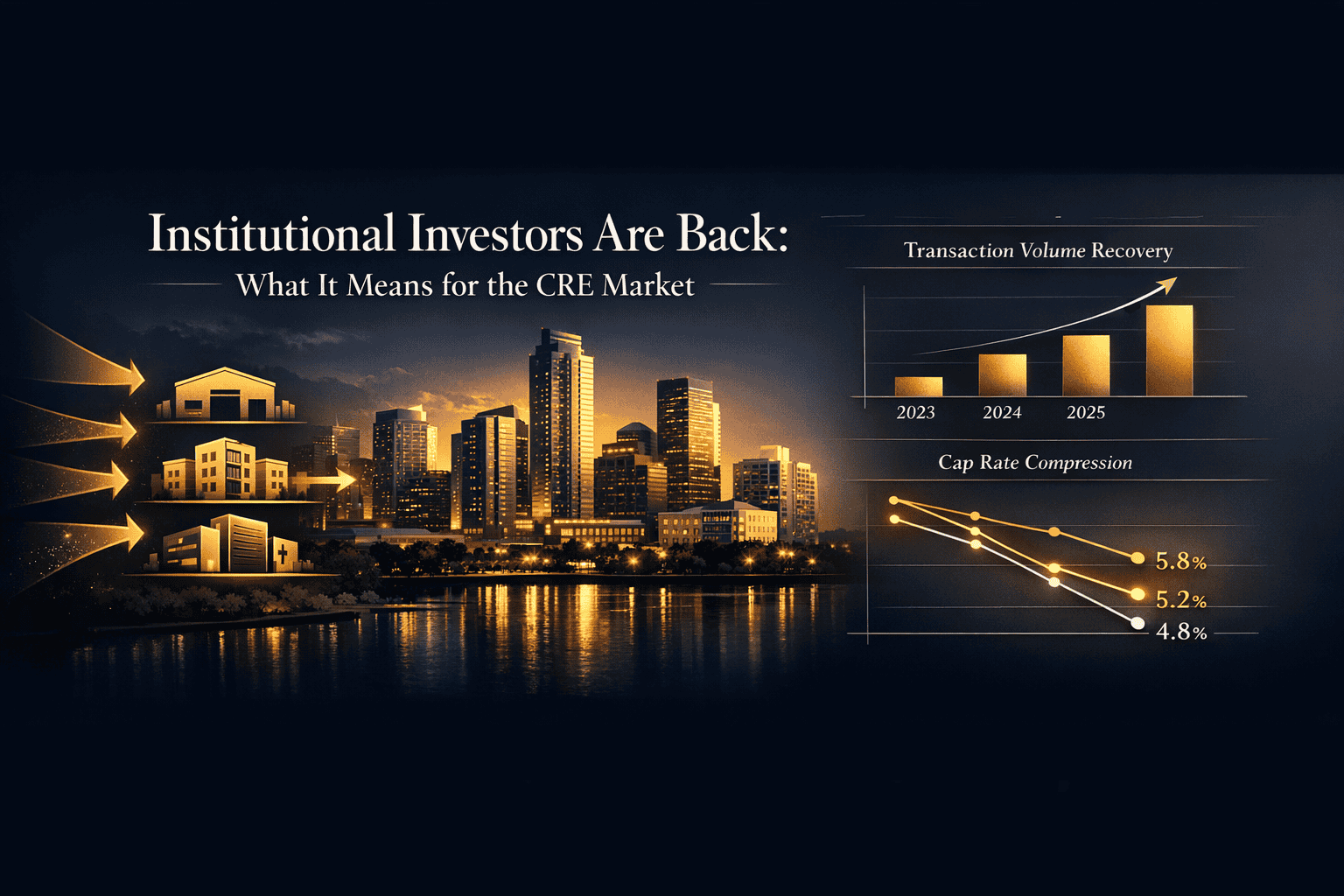
- Capitalization Rate (Cap Rate) — This is the net operating income (NOI) divided by the purchase price. Higher cap rates signal more immediate yield but may reflect higher risk. In 2026, cap rates vary widely by market and asset class, typically ranging from 4.5% to 8%+.
- Cash-on-Cash Return — After accounting for debt service, what is the actual cash yield on your equity? A target above 6-8% is generally considered healthy in the current environment.
- Rent Growth Potential — Properties with below-market leases or in markets with tight vacancy offer built-in upside as leases roll over.
- Expense Ratios — High operating expenses erode NOI. Triple-net (NNN) leases, where tenants cover taxes, insurance, and maintenance, are especially attractive for passive investors.
Always stress-test your projections. Model scenarios at higher vacancy rates and flat rent growth to ensure the investment holds up under pressure.
4. Tenant Quality and Lease Structure
The tenant is often the most overlooked variable in commercial investment analysis. A prime property with a weak tenant is far riskier than a modest property with a creditworthy, long-term tenant. Evaluate:
- Credit rating and financial stability — National brands, publicly traded companies, and government tenants are considered investment-grade. Local or regional tenants require deeper due diligence.
- Lease term remaining — Longer weighted average lease terms (WALT) reduce rollover risk and make financing easier.
- Lease type — NNN leases shift financial obligations to tenants, while gross leases place more burden on landlords. Know what you're signing up for.
- Renewal options and rent escalations — Built-in annual escalations (typically 2-3%) protect against inflation and increase NOI over time.
Diversified tenant rosters across multiple industries also reduce concentration risk in the event of economic sector downturns.
5. Financing Conditions and Capital Stack Strategy
How you finance a commercial acquisition directly impacts returns and risk. In 2026, the financing environment rewards disciplined, well-capitalized buyers. Key considerations include:
- Debt Service Coverage Ratio (DSCR) — Lenders typically require a DSCR of 1.25x or higher. Strong cash flow properties qualify for better loan terms.
- Loan-to-Value (LTV) — Conservative leverage (60-70% LTV) provides a buffer against value corrections and eases refinancing risk.
- Fixed vs. Variable Rate Debt — With rate volatility still a concern, many investors are favoring fixed-rate structures for core assets to lock in predictable debt service.
- Bridge Loans and Construction Financing — For value-add or development plays, short-term bridge lending is an active tool — but exit strategy clarity is essential before entry.
Partnering with a commercial real estate advisor who understands capital markets is critical. Explore our investment property listings to identify assets that align with your financing capacity and return targets.
6. Value-Add Potential and Exit Strategy
The best commercial real estate investments in 2026 are not just cash flow plays — they're stories with a beginning, middle, and planned end. Value-add opportunities, where investors can increase NOI through renovations, lease-up, repositioning, or better management, offer the potential for outsized returns.
Typical value-add strategies include:
- Renovating common areas or building systems to attract higher-quality tenants at premium rents
- Converting underutilized space (e.g., vacant upper-floor office to residential or hospitality use)
- Stabilizing a property with high vacancy through active leasing and tenant incentives
- Improving operational efficiency to reduce expenses and increase NOI
Your exit strategy — whether a sale, 1031 exchange, refinance, or hold for generational wealth — should be defined before acquisition. Each strategy implies different holding periods, return profiles, and tax considerations.
7. Due Diligence: The Investor's Safety Net
Even the most promising property can harbor hidden liabilities. Rigorous due diligence is non-negotiable for any commercial investment. Critical areas include:
- Environmental assessment (Phase I and II) — Especially for industrial, gas station, or older commercial sites
- Title and survey review — Confirm clear title, easements, and boundary accuracy
- Lease audit — Review all existing leases for co-tenancy clauses, exclusives, termination rights, and landlord obligations
- Property condition report — Independent inspection of structural, mechanical, electrical, and plumbing systems
- Market rent analysis — Compare in-place rents to current market to assess upside or risk of tenant attrition
Skipping or rushing due diligence is one of the most common — and most expensive — mistakes investors make. Build adequate time and budget for this process into every deal structure.
8. Market Timing and Economic Indicators
While "timing the market" perfectly is a myth, understanding where you are in the real estate cycle helps calibrate risk and return expectations. In 2026, investors should monitor:
- Federal Reserve rate policy — Rate stabilization or cuts would improve acquisition economics and compress cap rates
- Vacancy and absorption rates — Rising absorption signals strengthening demand; rising vacancy signals caution
- Construction pipeline — New supply entering a market can dampen rent growth; undersupplied markets protect landlord pricing power
- Consumer and business confidence — Macro sentiment affects leasing activity, especially in retail and office
Investors who focus on market fundamentals rather than speculation tend to outperform over full real estate cycles.
9. Technology, Sustainability, and Future-Proofing
Tenants in 2026 increasingly demand modern, energy-efficient, and technologically capable spaces. Buildings that fail to meet these expectations face accelerating obsolescence. A good commercial real estate investment should include an assessment of:
- Energy efficiency and green certifications — LEED, ENERGY STAR, and similar certifications lower operating costs and attract sustainability-minded tenants
- EV charging infrastructure — An emerging expectation for office parks, retail centers, and multifamily properties
- Smart building technology — Integrated building management systems improve efficiency and tenant experience
- Fiber and connectivity infrastructure — High-speed, reliable internet is a baseline requirement across virtually all commercial uses
Properties that are already equipped — or can be efficiently upgraded — for these standards will command premium rents and lower vacancy over the next decade.
10. Working With the Right Commercial Real Estate Partner
Perhaps the most important factor in a successful commercial real estate investment is the team behind it. From market identification and deal sourcing to negotiation, due diligence, and disposition, having experienced professionals in your corner is a measurable competitive advantage.
At Cordura, our team combines deep market knowledge with a data-driven approach to help investors identify, evaluate, and execute on commercial real estate opportunities across the US. Whether you're looking for stabilized income properties, value-add plays, or development opportunities, we bring the insight and network to match your strategy with the right asset.
Ready to explore what the market has to offer? Browse our commercial real estate listings to find properties aligned with your investment goals — or connect with a Cordura advisor to discuss your strategy today.
Final Thoughts
A good commercial real estate investment in 2026 is defined by the intersection of location strength, asset class alignment, disciplined financial underwriting, quality tenants, and strategic vision. Markets are more complex than they were a decade ago, but the fundamentals of value creation have not changed: buy well, manage well, and position for long-term growth.
With the right criteria, the right partners, and a clear strategy, commercial real estate remains one of the most powerful wealth-building tools available to American investors. Cordura is here to help you navigate every step of that journey.